

Biohacking and Lifespan Longevity:
How Science and Technology Can Help You Live Longer

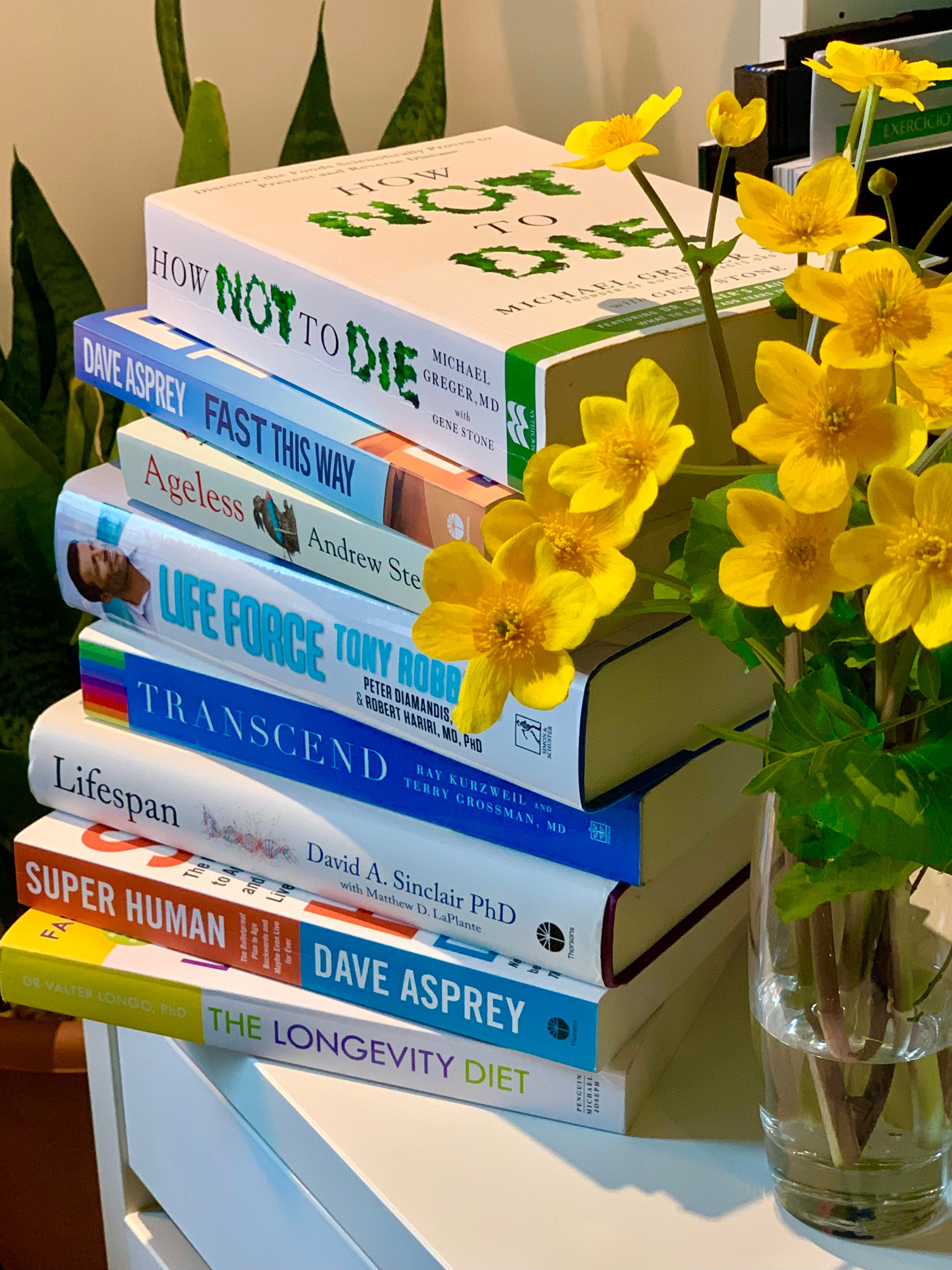
Picture this: harnessing cutting-edge advancements in science and technology to amplify your physical prowess, sharpen your cognitive capabilities, and potentially hold onto your youth. Imagine the prospect of ageing as a curable affliction rather than an inevitable fate.
In recent years, the field of biohacking has emerged as a popular area of interest for individuals looking to optimise their physical and cognitive performance. Biohacking involves the use of science and technology to enhance human biology, often through lifestyle modifications, diet, and supplementation. One of the most exciting areas of research in biohacking is the potential to extend the human lifespan. Some of the many experts in the field, such as Dr David Sinclair, Dr Valter Longo and Dave Aspray, have dedicated their careers to exploring the science behind this concept. As an individual who earns a living through cooking and possesses a strong curiosity about the impact of our dietary choices on our lives, I am particularly interested in the subject and excited to explore the intersection of biohacking and nutrition in this article, I’ll pay close attention to the role of food in biohacking, observing how our diets can optimise physical and mental performance, promoting longevity, and improve overall health.
Understanding Lifespan, Healthspan, and Biohacking: Key Concepts Explained
Lifespan, healthspan, and biohacking are three related concepts that are often discussed in the context of human longevity and overall well-being. Understanding the differences between these terms can help you make informed decisions about your health and lifestyle choices.
Lifespan refers to the total length of time a person lives, from birth until death. It is usually expressed in years and varies based on factors such as genetics, environment, and lifestyle choices. The goal of many scientists and researchers is to find ways to extend the human lifespan while maintaining good health and quality of life.
Healthspan, on the other hand, refers to the length of time a person lives in good health, free from chronic diseases or disabilities. The focus of healthspan is not just on living longer, but on living better, with an emphasis on maintaining physical, mental, and emotional well-being throughout life. The idea is to compress the period of illness and disability into the shortest possible time towards the end of life, thereby maximizing the time spent in good health.
Biohacking is a broad term that encompasses various practices and techniques aimed at optimizing human biology and performance. It often involves the use of science and technology to enhance physical and cognitive abilities, potentially extending one's youth and overall well-being. Biohacking can include lifestyle modifications, diet, supplementation, and even more advanced techniques such as genetic engineering or brain-computer interfaces. The goal of biohacking is to achieve the best possible version of oneself by actively manipulating one's biology and environment.
Nutrition and Biohacking
Nutrition plays a significant role in biohacking, as the food we eat provides essential building blocks for our bodies. Biohackers often consume nutrient-dense foods, rich in vitamins, minerals, and antioxidants. They may experiment with different dietary approaches, such as intermittent fasting, vegan diet or ketogenic diets, to optimize metabolic function and improve body composition. In addition to nutrition, biohackers also focus on sleep, exercise, and stress management, using technology such as wearable devices and apps, to track progress and make data-driven decisions about health.
In recent years, researchers have focused on the potential benefits of plant-based, whole-food approaches to eating for promoting healthy ageing and extending lifespan. David Sinclair, a world-renowned biologist and researcher, is one of the foremost experts in the field. Dr Sinclair emphasizes consuming a diet rich in nutrients and antioxidants, including fruits, vegetables, and whole grains, and reducing processed foods and sugar. His research has shown that caloric restriction can promote longevity, which involves reducing the number of calories you consume while still maintaining a balanced diet. In addition to eating less, fasting can also be beneficial. According to Dr Sinclair, fasting can allow our bodies to exist in a state of want more often than we typically allow in our world of plenty, which can be unquestionably good for our health and longevity.
Dr Valter Longo, an Italian-American biogerontologist and professor, has also investigated the potential benefits of a plant-based, whole-food approach to eating. His research on the Longevity Diet, based on the traditional diets of some of the world's longest-lived populations, emphasizes a plant-based, whole-food approach, limiting animal products, processed foods, and added sugars. Dr Longo has proposed the "5 Pillars of Longevity" as a framework for promoting healthy ageing and extending lifespan, which includes fasting-mimicking diets, plant-based whole foods, exercise, sleep, and stress reduction.
Dave Asprey, a well-known entrepreneur, author, and biohacker, is a pioneer in using various technologies to optimize his own health and performance. He created Bulletproof Coffee, a blend of coffee, grass-fed butter, and medium-chain triglyceride (MCT) oil, which provides sustained energy and mental clarity. Asprey also uses wearable devices to track his health metrics, such as heart rate variability and sleep quality, to identify areas for improvement. He has incorporated technologies like red light therapy and cryotherapy into his routine, which he claims can improve energy levels and reduce inflammation. Asprey is also a proponent of genetic testing, which he uses to inform his dietary and lifestyle choices based on his individual genetic makeup. In Dave Asprey's book "Super Human", the key idea is the concept of "mitohacking," which refers to optimizing the function of mitochondria, the energy-producing organelles found in all cells, to improve overall health and performance. Asprey's diet emphasizes the ketogenic diet, high-quality fats, moderate protein, low-carbohydrate vegetables, and intermittent fasting.
Overall, biohacking is an emerging area of interest for individuals looking to optimize their physical and cognitive performance, with a significant focus on extending lifespan. By understanding and applying the concepts of lifespan, healthspan, and biohacking, individuals can potentially improve their overall health, well-being, and longevity. While there is still much to learn about the science behind biohacking and its potential benefits, the research thus far suggests that certain dietary patterns, such as plant-based, whole-food approaches, and incorporating fasting, can promote longevity and improve overall health. By focusing on nutrition, sleep, exercise, stress management, and utilizing technology to track progress and make data-driven decisions, individuals can potentially lead longer, healthier, and more fulfilling lives.
As a chef, I recommend incorporating delicious, healthy foods into your diet. Try incorporating more plant-based meals into your routine, like roasted sweet potatoes and quinoa salad, butter beans, roasted cherry tomatoes and herbs casserole, and stir-fried veggies. Experiment with different spices and herbs to add flavour and nutrition to your meals. Green juices are also a great start to the day. And don't forget about healthy fats like avocado and nuts, which can improve brain function and promote healthy ageing.
It's important to note that biohacking is not a one-size-fits-all approach. Everyone's body is unique, and what works for one person may not work for another. That's why it's essential to listen to your body and experiment with different foods and dietary approaches to find what works best for you.